
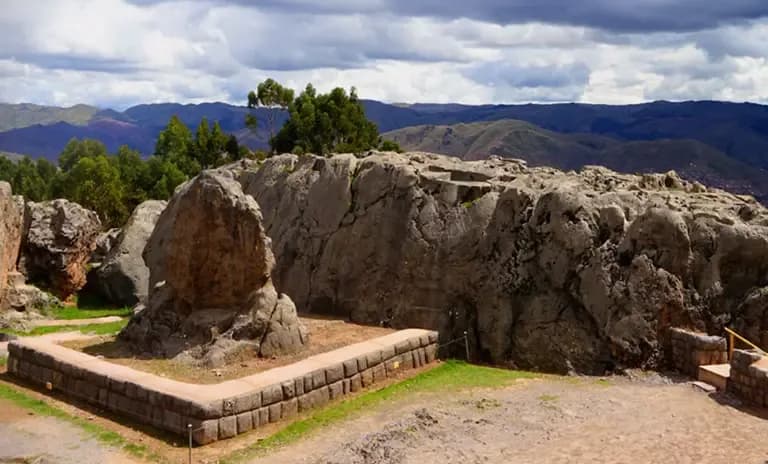
Qenqo Archaeological Complex in Cusco, Peru
Discover Qenqo in Cusco, an Inca archaeological complex full of mysteries and wonders. Book your experience today!
Overview
Home » Destinations » Cusco » Archaeological Sites » Qenqo Qenqo Archaeological Site The Qenqo Archaeological Complex is a historical and cultural site considered one of the most important places of the Inca civilization and has been recognized as a UNESCO World Heritage Site. Qenqo, which means “labyrinth” or “zigzag” in Quechua, is an archaeological site composed of a series of structures and terraces built on natural rock. These structures include an amphitheater, water channels, altars, and a series of underground passageways. One of the most prominent features of Qenqo is its impressive monolith carved into the rock, known as the “Monolith of Qenqo.” This monolith has an anthropomorphic shape and is believed to represent an Inca god. Evidence suggests that this monolith was used for rituals and offerings. Furthermore, the Qenqo Archaeological Complex is a place of great importance for understanding the Inca civilization and its legacy. Through its architecture and rock art, one can learn about the religious beliefs and ceremonial practices of the Incas. History of Qenqo Its history dates back to the pre-Inca era when it was used as a ceremonial and religious center by the Killke culture. During the Inca Empire, Qenqo remained an important ceremonial center. It is believed to have been used for rituals and sacrifices, as evidence of animal offerings and human remains have been found on the site. Additionally, petroglyphs and engravings representing zoomorphic and anthropomorphic figures, as well as symbols related to the Inca worldview, have been discovered on the walls of the structures. Following the arrival of the Spanish and the conquest of the Inca Empire, Qenqo lost its significance and was abandoned. For many years, the site lay in ruins and was looted by colonizers in search of treasures and construction materials. However, restoration and conservation efforts began in the 20th century to preserve this valuable cultural heritage. Today, the Qenqo Archaeological Complex is one of the most visited tourist destinations in the Cusco region. Visitors can explore its mazes, admire the impressive rock-carved structures, and learn about the history and culture of the area’s ancient inhabitants. Location of Qenqo The Qenqo Archaeological Complex is located just 4 kilometers north of the city of Cusco, in Peru. This impressive archaeological site is at an altitude of approximately 3,500 meters above sea level, providing a spectacular panoramic view of the surroundings. How to get to Qenqo? To reach the Qenqo Archaeological Complex, there are various transportation options. The most common and convenient way is to take a taxi from the city center of Cusco. Taxis are easily accessible, and drivers are familiar with the location of the archaeological complex. If you enjoy walking and savoring the landscape, you can also choose to hike from Cusco to the Qenqo Archaeological Complex. The hike is approximately 5 kilometers and will take about an hour and a half, depending on your pace. Along the way, you can enjoy beautiful views of the surroundings and experience the tranquility of nature. Additionally, if you’re planning to visit Qenqo and prefer to do so through a travel agency, there are several options to reach this place. One of the most common ways is through an organized tour, such as the city tour in Cusco, which includes transportation from your accommodation in Cusco to the archaeological site. Typically, you’ll be picked up in a comfortable vehicle and taken directly to Qenqo, where you can enjoy a guided tour by an expert in the history and culture of the region. What to see and do in Qenqo? The Qenqo Archaeological Complex is one of the most fascinating sites to visit in Cusco. One of the standout features of Qenqo is its impressive system of channels and grooves carved into the rock. These channels were used by the Incas for crop irrigation and supplying water to the city of Cusco. Additionally, the complex has a series of altars and niches carved into the rock, believed to have been used for religious ceremonies and rituals. Another fascinating aspect of the Qenqo ruins is its system of caves and underground passageways. These caves were used by the Incas for burying their dead and as places of worship and worship. Some of these caves still contain human remains and offerings, providing a unique insight into the funeral and religious practices of the ancient Inca civilization. In addition to its archaeological importance, Qenqo also offers breathtaking panoramic views of the surroundings of Cusco. From the top of the terraced platforms, you can enjoy spectacular views of the surrounding mountains and the Cusco Valley. Opening hours and entrance fee To enter the Qenqo Archaeological Complex, an entrance fee must be paid. Prices vary depending on whether you are a national or foreign tourist. Peruvian citizens and foreign residents pay a reduced fee, while foreign tourists pay a higher fee. It’s important to bring your identification or passport to prove your resident or Peruvian citizen status. The opening hours of the Archaeological Complex are from 7:00 a.m. to 5:30 p.m. every day of the week. It’s recommended to arrive early to avoid crowds and have enough time to explore the complex in its entirety. Archaeological Sites Sacsayhuaman Qenqo Puka Pukara Tambomachay Coricancha Ollantaytambo Choquequirao Chinchero Raqchi Best Selling Packages in Peru Colonial Lima and Sacred land of the Incas 7D/6N From US$ 889 Spectacular Peru 10D/9N From US$ 1,303 Origins of the Incas 10D/9N From US$ 1,593 Classic Machu Picchu 5D/4N From US$ 730 Machu Picchu Extreme Challenge 8D/7N From US$ 1,083 Check out our Cusco tours View All Cusco Tours
Tours & packages in this region
Tap Get quote on WhatsApp for dates and availability — or open the itinerary if you want every detail first.
 Best seller
Lima · Cusco · Sacred Valley · Machu Picchu
Colonial Lima and Sacred land of the Incas
Experience Peru in 7 days with Lima, Cusco and Machu Picchu! With guided tours, cultural highlights, local cuisine and iconic landmarks.
- Train to Machu Picchu
- Lodging included
- Machu Picchu
From
From US$ 889 /person
English support · No booking fee to ask
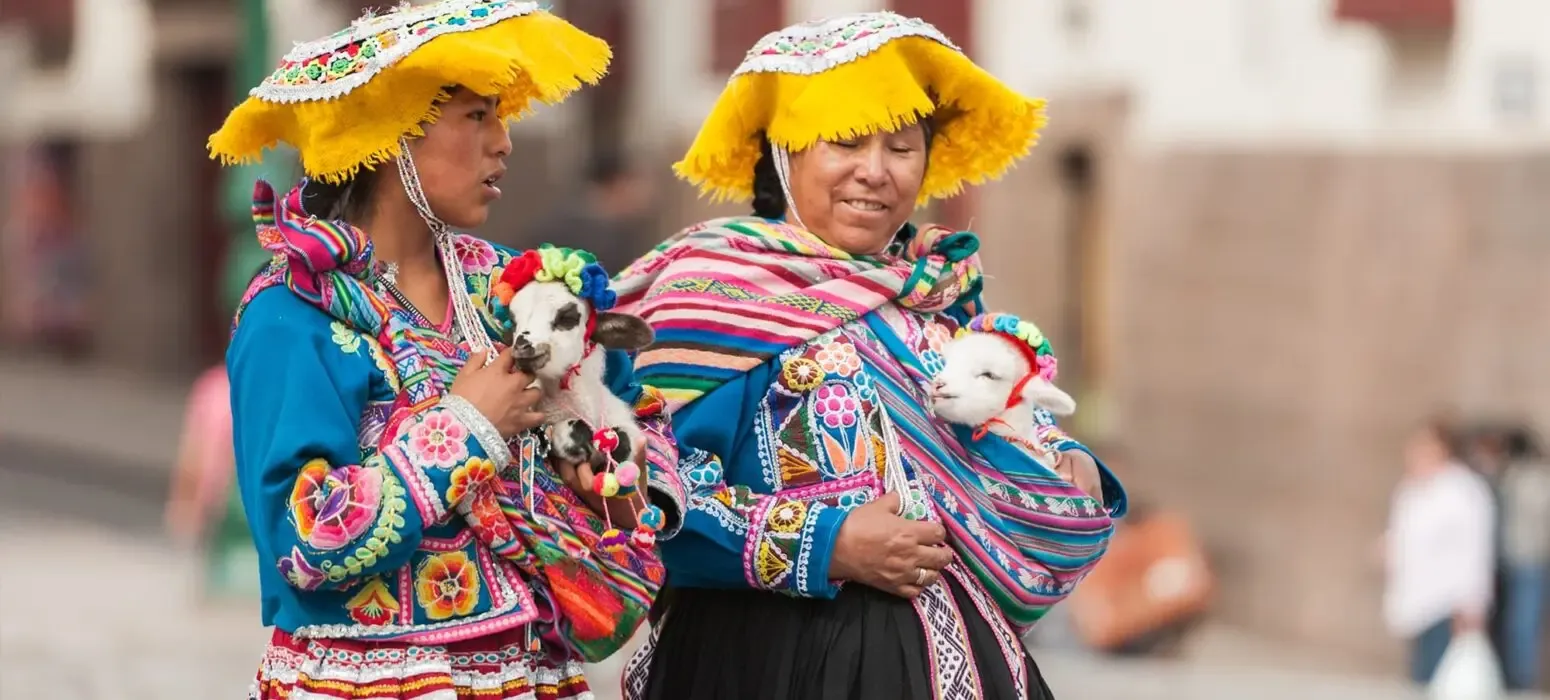 Best seller
Lima · Cusco · Sacred Valley · Machu Picchu
Spectacular Peru
Visit Peru’s amazing iconic destinations on a 10-day itinerary combining culture, history, and breathtaking landscapes.
- Train to Machu Picchu
- Lodging included
- Machu Picchu
From
From US$ 1,303 /person
English support · No booking fee to ask
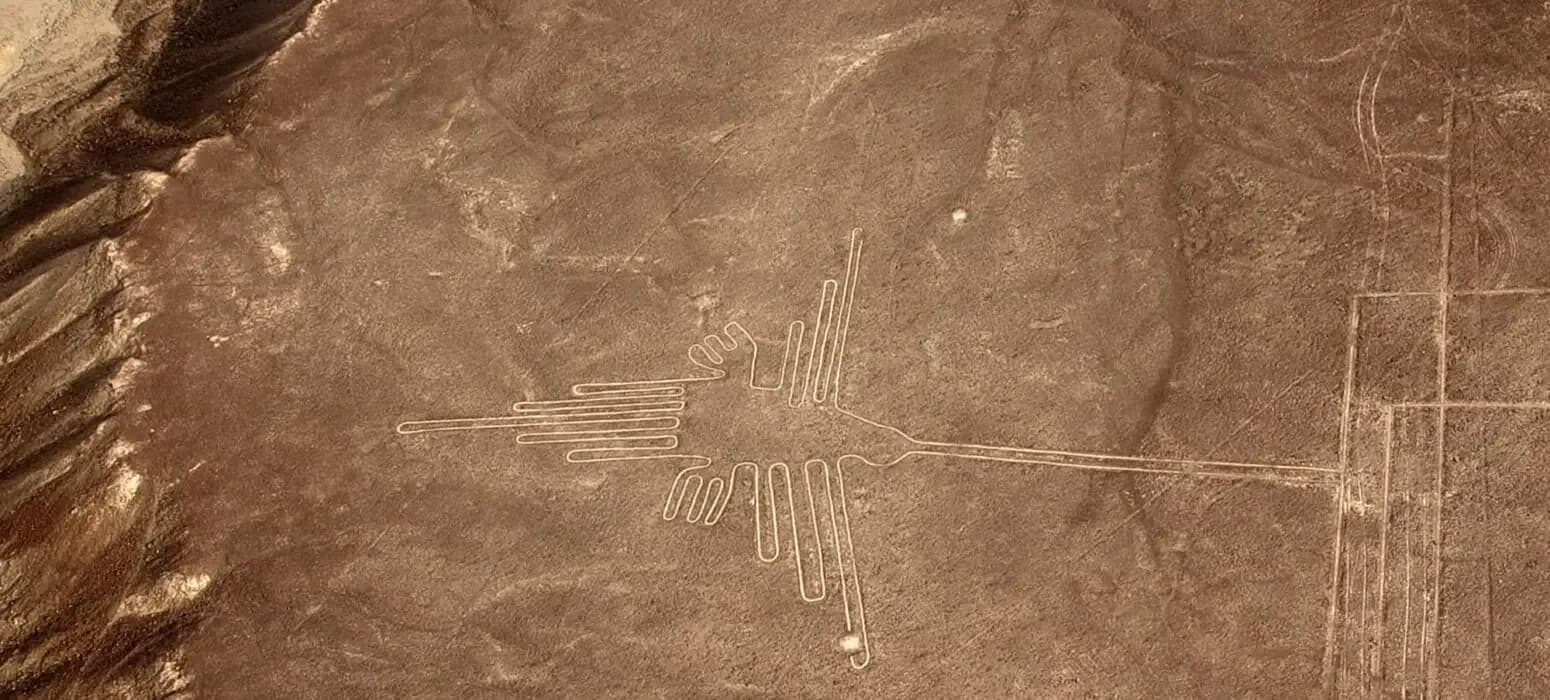
Lima · Cusco · Sacred Valley · Machu Picchu
Origins of the Incas
Explore Peru in 10 days with visits to Lima, the Nazca Lines, Cusco, Machu Picchu and Lake Titicaca. Uncover Peru’s rich history and culture.
- Train to Machu Picchu
- Lodging included
- Machu Picchu
From
From US$ 1,593 /person
English support · No booking fee to ask
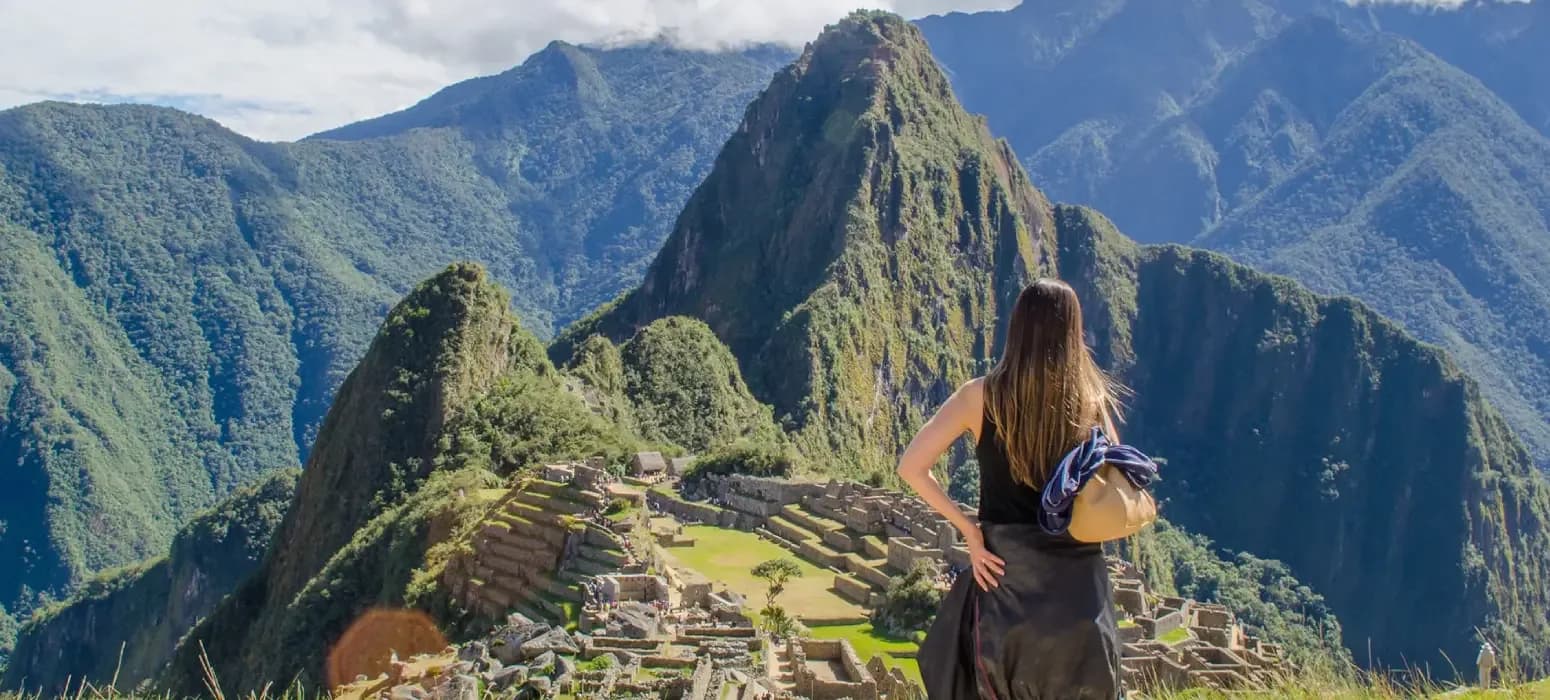 Best seller
Cusco · Sacred Valley · Machu Picchu
Classic Machu Picchu
Discover Cusco, Sacred Valley, and Machu Picchu on one of Peru’s most popular travel itineraries unforgettable journey.
- Train to Machu Picchu
- Lodging included
- Machu Picchu
From
From US$ 730 /person
English support · No booking fee to ask
Cusco · Sacred Valley · Machu Picchu
Machu Picchu Extreme Challenge
Take on an 8-day Machu Picchu adventure through the Andes. Perfect for trekkers and nature lovers seeking an unforgettable experience.
- Train to Machu Picchu
- Lodging included
- Machu Picchu
From
From US$ 1,083 /person
English support · No booking fee to ask
Plan your Peru trip with a local expert
Response from our Cusco team — typically within a few hours.
Chat on WhatsApp