
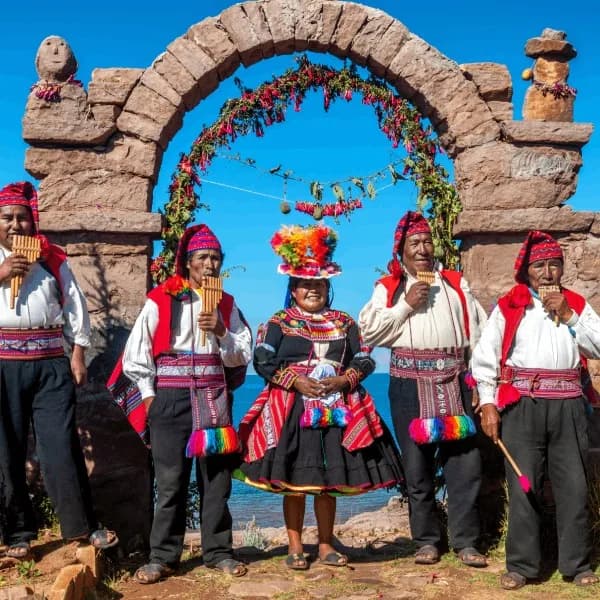
Puno Peru Vacation Packages & Best Tours
Check out vacation packages to Puno with the best prices and services, including: ✓ transfers, ✓ tours, ✓ guides, ✓ hotels, and more.
Puno travel guide
Puno is located on the shores of Lake Titicaca. A magical city of many contrasts, customs, numerous traditions, and multicolored festivities. It is also one of the highest cities in Peru and the fifth in the world. Founded on November 4, 1668, by the Viceroy Pedro Antonio Fernández de Castro, it is home to indigenous communities that inhabit its surroundings and the lake, preserving their customs and traditions in this important tourist destination in Peru. Useful information Location: Located in the south of the country, it borders Madre de Dios to the north, Bolivia and Lake Titicaca to the east, Tacna to the south, Moquegua to the southwest, and Arequipa and Cusco to the west. It is the fourth largest region after Loreto and Ucayali. Altitude: Puno is located at an average altitude of 3,827 meters above sea level, up to 6,000 meters above sea level in some areas of the department. The presence of altitude sickness is more noticeable in this region. Weather: The weather of the city of Puno is cold and moderately rainy. The average annual temperature ranges from 2.7°C to 14.4°C. Before visiting Puno, it is essential to know which season to go. Generally, the weather is cold and semi-dry throughout the year. Best time to travel: During the dry season, which goes from May to October. During these months, Puno experiences a more stable and drier weather, with sunny days and pleasant temperatures during the day. This is the high tourist season in the region, as it offers ideal conditions to explore the tourist attractions. How to get there Puno has different ways of transportation. By air from Lima, Cusco, and Arequipa, by land from Lima and all the cities in the south of Peru, and by train from Cusco. By air: The Inca Manco Cápac International Airport (airport code JUL) in the city of Juliaca, located 44 km north of Puno, is in charge of air transport, receiving daily flights from Lima and Cusco. It is a small airport with comfortable facilities, restaurants, and cafes. By land: The trip from Lima takes 17 hours with a stopover in Arequipa. Puno is about 1,300 km southeast of Lima. By land, it is connected to Arequipa, Moquegua, and Cusco. By land: The railway route between the cities of Cusco and Puno has been considered the second most beautiful route in the world for the beauty of its landscapes. Half of the journey is dominated by the Andes mountain range, continuing through incredible valleys of the Huatanay River. The journey stops to enjoy the scenery at La Raya, the highest point of the route. What to do Puno is considered the Folkloric Capital of Peru and America. It also has different attractions to admire. The following are its main attractions: The city of Puno: A city worth visiting, highlighting the Cathedral built with millenary stones, ceremonial centers of ancient cultures, and the Incas. It houses several paintings by renowned painters from the Cusco and Italian schools. Lake Titicaca: Undoubtedly the main natural attraction, Lake Titicaca occupies a large part of Puno and Bolivia. It is the highest lake in the world, at 3,812 meters above sea level, and it is home to several floating islands inhabited by communities that have preserved their customs to this day. The Island of the Uros: Strolling on a floating island made of totora, a native plant, is quite an experience, as the entire island, including the houses of its inhabitants, is made of totora. You can visit these islands on your own, renting a speedboat at the port or hiring a tour with an agency that offers a 3-day or more visit to learn about their traditions. Chucuito: Located 18 km from the city of Puno, Desaguadero it is a small town worth visiting. It highlights the Church of the Assumption, classified as one of the most beautiful colonial constructions. Another place to visit is Inca Uyo, an Inca enclosure where we find lithic pieces in the shape of mushrooms or phalluses, which, according to the guides, are related to a place of virility and fertility worship. The Chullpas of Sillustani: Located approximately 33 km from Puno, on the Puno/Cusco route, it is a good destination to visit. It has a large number of Chullpas, constructions where the Qollas, natives of the region, buried their dead. The corpses were covered with silver or ointments to help with their preservation. Important Dates Next, we will mention some important festivities in the city of Puno: January 3: Feast of “dulce nombre de Jesus” February 2-11 : Feast of virgin de Candelaria February: Carnival March: Throughout the region – Holy Week May 2-4: Feast of the Alasitas June 24: Feast of San Juan. Feast of San Juan Bautista (June 24): This religious festival is dedicated to San Juan Bautista, the patron saint of Ica. During San Juan’s day, processions and religious activities are carried out in honor of the saint. August 6 : Feast of virgin de la Asuncion September 8: Feast of nuestra señora de natividad November 1: Feast of todos los santos November 4: Anniversary of the foundation of Puno Gastronomy The cuisine of Puno works with ingredients common to other Andean provinces, such as chuño, potatoes, cheese, sheep, or pork. Fish with quinoa: Fish with quinoa is a typical dish in Puno, whose main ingredient is quinoa, a product that has conquered all social classes. Chairo: It is one of the most important gastronomic dishes in the Puno region. It is a hearty soup made with chuño, mote, potatoes, and lamb. It helps replenish energy. Queso Cauche: A typical dish of the Puno region. Delicious dish made with fresh cheese, milk, beans, and huacatay stems (similar a small plant), it has been conquering the palates of all social classes. Huatia: Buffet practiced since ancient times with the permission of Pachamama or Mother Earth. Made with potatoes cooked on mounds of earth or Champa stone previously heated with firewood. Accompanied by ch’aku cheese (Andean ocopa sauce), stew, or roasted meat. Thimpo de Carachi: Typical dish of this area, delicious and energizing, prepared with Carachi, a typical fish from Lake Titicaca that measures 10 to 15cm. It has a high phosphorus content and is accessible to all. Frequently Asked Questions
Tours & packages in this region
Tap Get quote on WhatsApp for dates and availability — or open the itinerary if you want every detail first.
 Best seller
Lima · Cusco · Sacred Valley · Machu Picchu
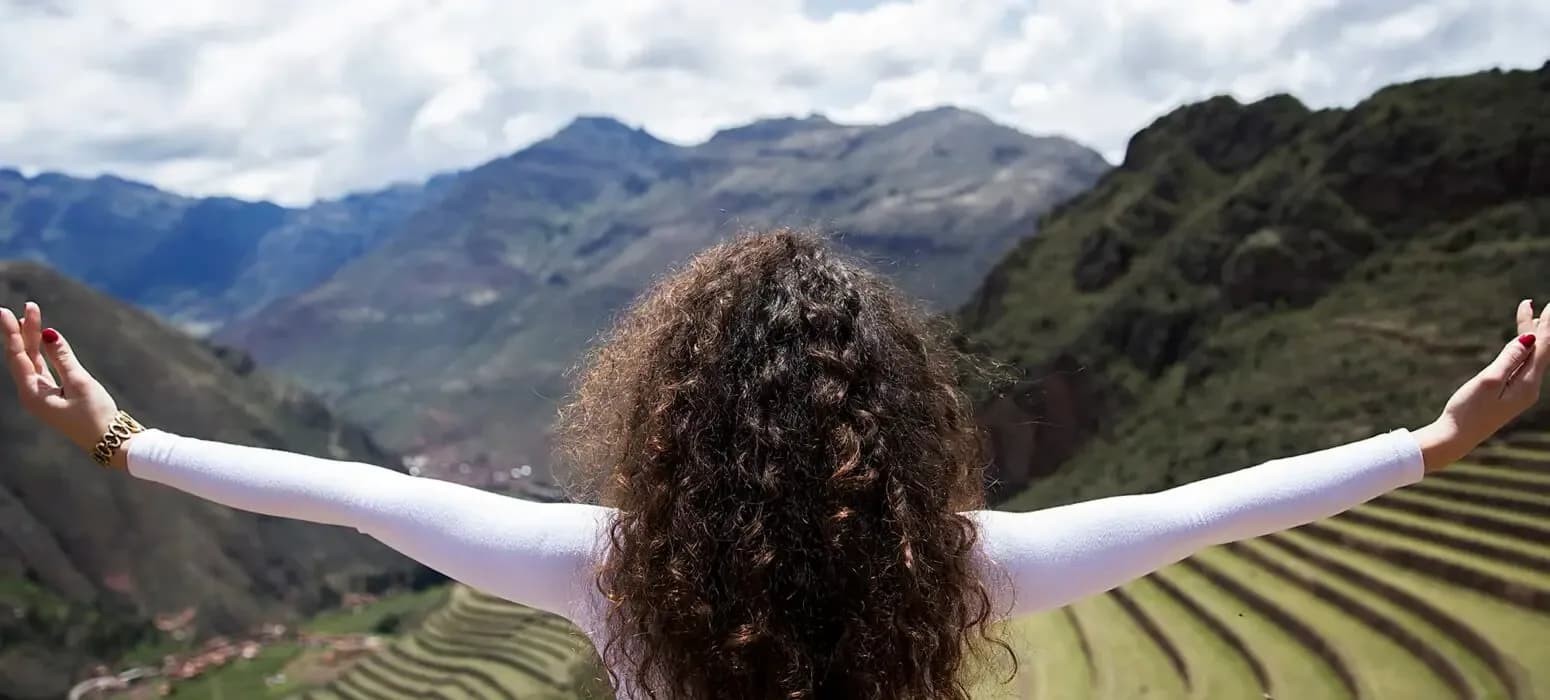
Colonial Lima and Sacred land of the Incas
Experience Peru in 7 days with Lima, Cusco and Machu Picchu! With guided tours, cultural highlights, local cuisine and iconic landmarks.
- Train to Machu Picchu
- Lodging included
- Machu Picchu
From
From US$ 889 /person
English support · No booking fee to ask
 Best seller
Lima · Cusco · Sacred Valley · Machu Picchu
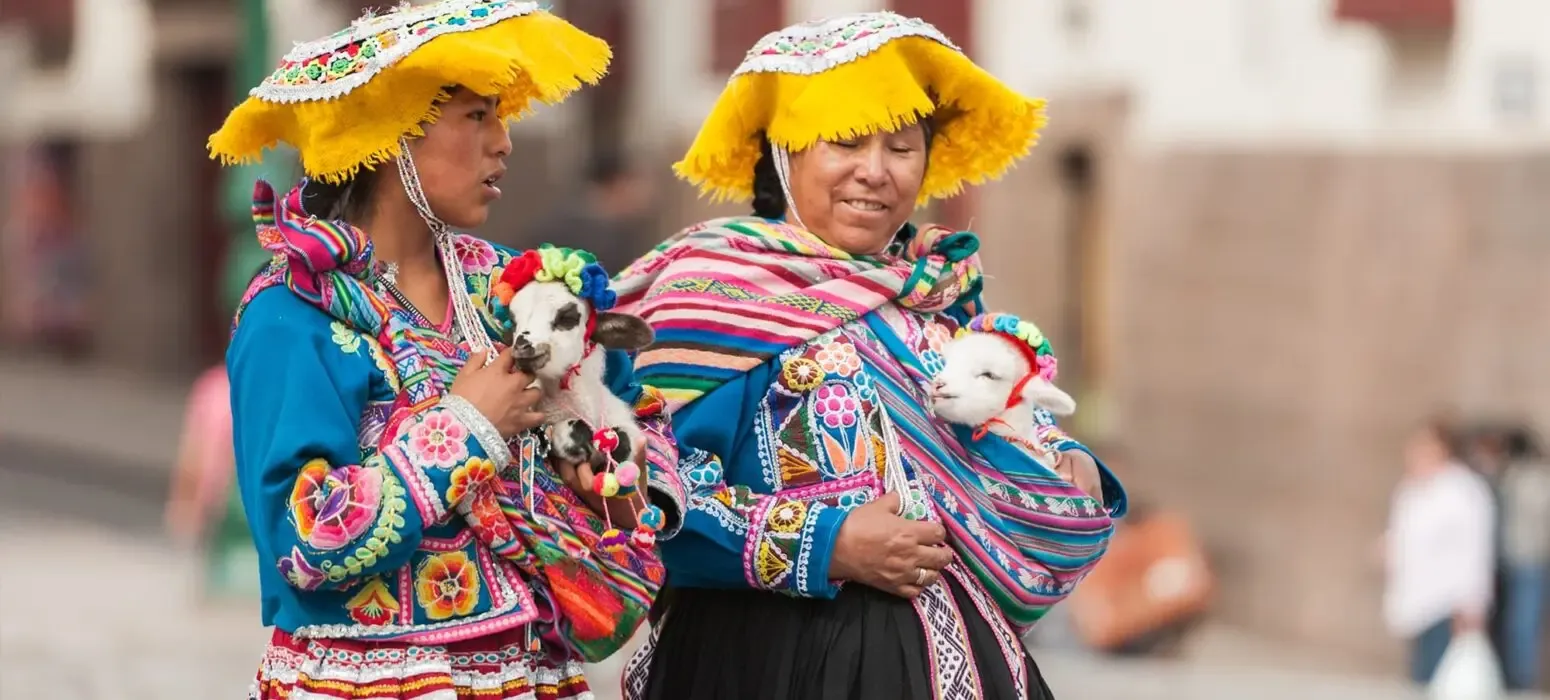
Spectacular Peru
Visit Peru’s amazing iconic destinations on a 10-day itinerary combining culture, history, and breathtaking landscapes.
- Train to Machu Picchu
- Lodging included
- Machu Picchu
From
From US$ 1,303 /person
English support · No booking fee to ask
Lima · Cusco · Sacred Valley · Machu Picchu
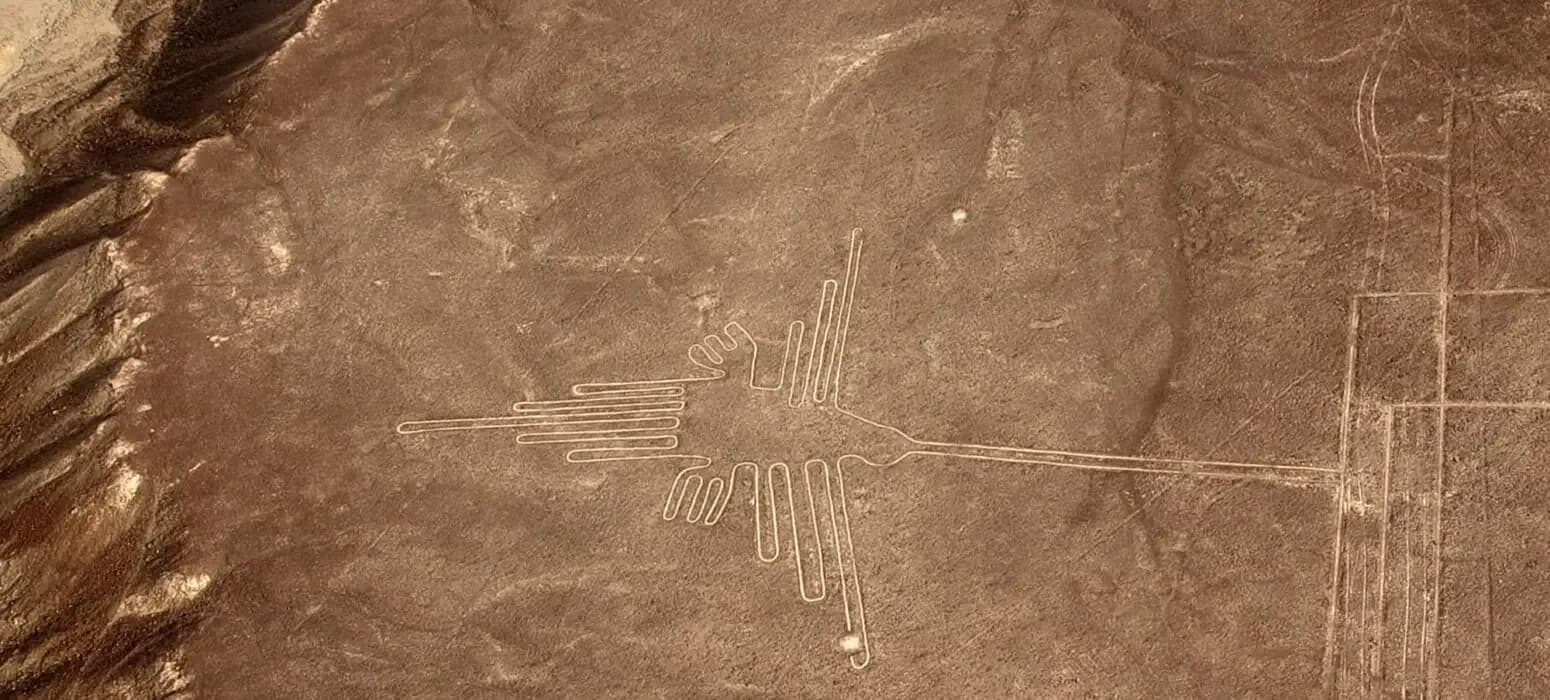
Origins of the Incas
Explore Peru in 10 days with visits to Lima, the Nazca Lines, Cusco, Machu Picchu and Lake Titicaca. Uncover Peru’s rich history and culture.
- Train to Machu Picchu
- Lodging included
- Machu Picchu
From
From US$ 1,593 /person
English support · No booking fee to ask
 Best seller
Cusco · Sacred Valley · Machu Picchu
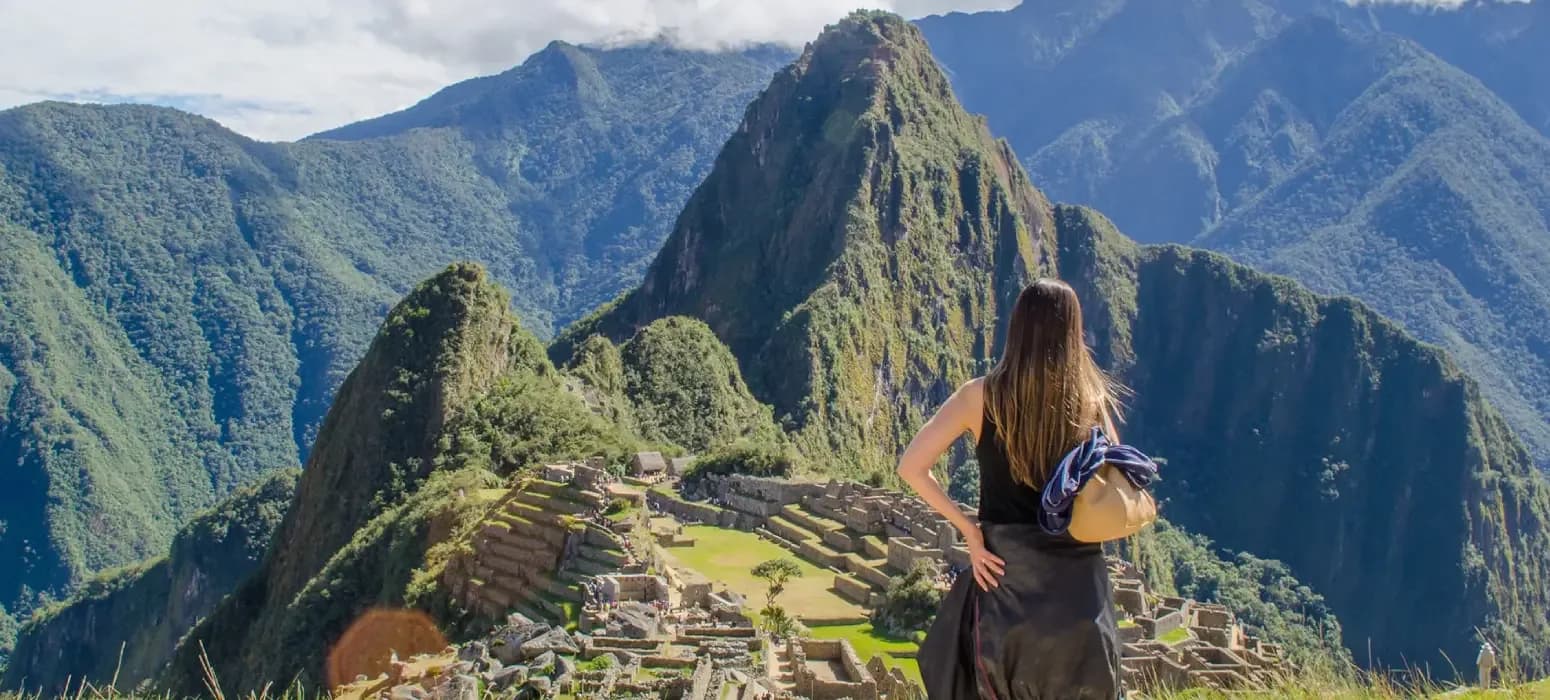
Classic Machu Picchu
Discover Cusco, Sacred Valley, and Machu Picchu on one of Peru’s most popular travel itineraries unforgettable journey.
- Train to Machu Picchu
- Lodging included
- Machu Picchu
From
From US$ 730 /person
English support · No booking fee to ask
Cusco · Sacred Valley · Machu Picchu
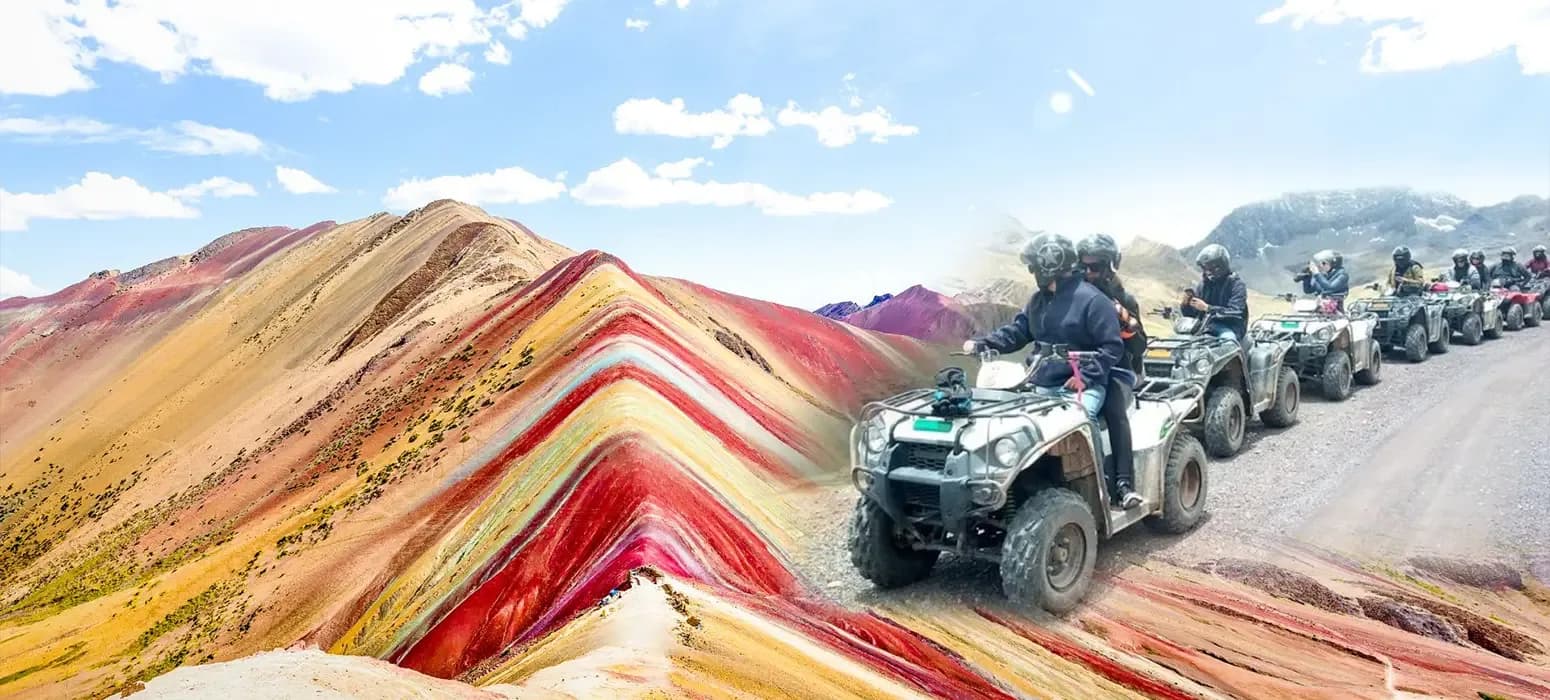
Machu Picchu Extreme Challenge
Take on an 8-day Machu Picchu adventure through the Andes. Perfect for trekkers and nature lovers seeking an unforgettable experience.
- Train to Machu Picchu
- Lodging included
- Machu Picchu
From
From US$ 1,083 /person
English support · No booking fee to ask
Cusco · Sacred Valley · Machu Picchu · Puno
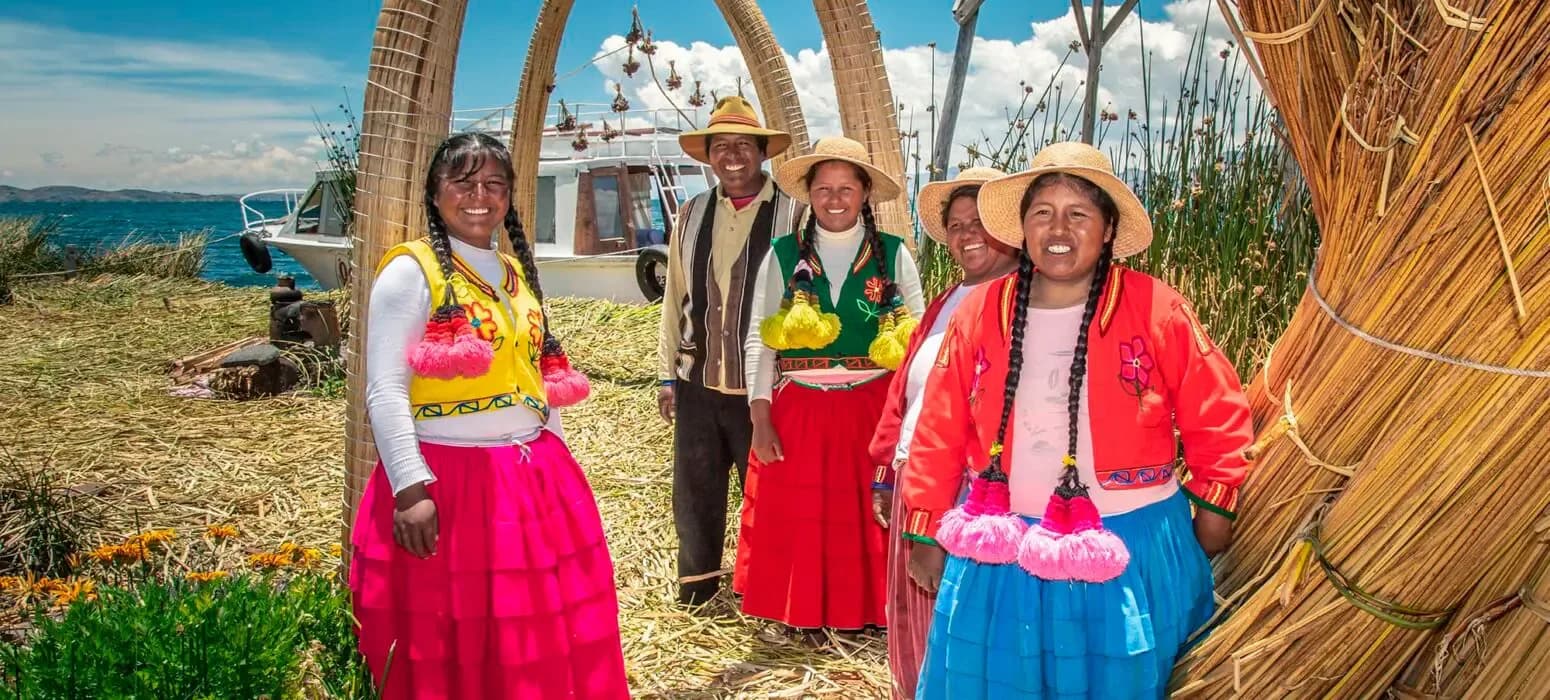
Inca Encounters
The ultimate 8-day Peru itinerary through Cusco, Machu Picchu and Puno. Explore Sacred Valley, Andean vistas and Lake Titicaca over 8 days.
- Train to Machu Picchu
- Lodging included
- Machu Picchu
From
From US$ 1,144 /person
English support · No booking fee to ask
Plan your Peru trip with a local expert
Response from our Cusco team — typically within a few hours.
Chat on WhatsApp